
Document the operating plan
Meal volume, service schedule, storage, warewashing, staffing interfaces, and project dates.
Commercial & institutional project planning
Commercial mobile kitchen trailer rentals can support planned kitchen interruptions, facility projects, and temporary food-service operations. This site organizes the core questions around food service, distribution, dietary workflows, locations, and pricing so project teams can prepare a clear scope. Share the site conditions and operating requirements to request confirmation of suitable options, availability, and commercial terms.
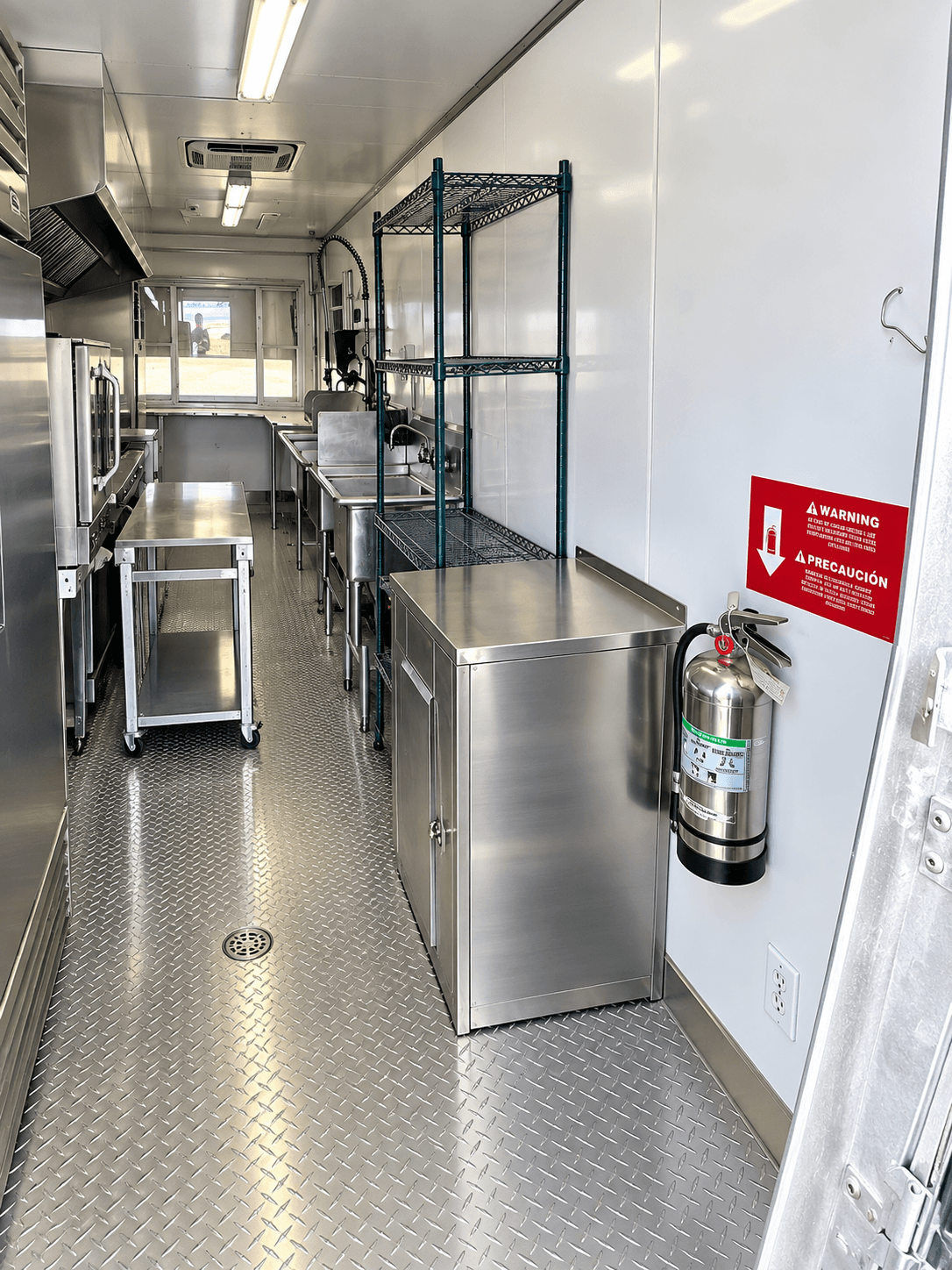
Scope the operation
The legacy website groups its services around four categories. The rebuild keeps that structure and presents each as a practical planning path.
Planning information for temporary food preparation and service continuity.
02A project-planning overview for organizations comparing service providers.
03An overview of distribution coordination around temporary food operations.
04Planning considerations for dietary workflows in temporary food-service settings.
Temporary food-service facilities
Mobile commercial kitchen and portable kitchen planning may involve trailer rentals, trailers for rent, trailer leasing, or a combination of temporary facilities arranged around the needs of a commercial site. Modular, mobile, temporary, and portable configurations can be considered for emergency requirements or planned onsite operations during construction and renovation. The appropriate approach depends on meal volume, menu, utilities, footprint, workflow, project duration, and the responsibilities assigned to each project partner.
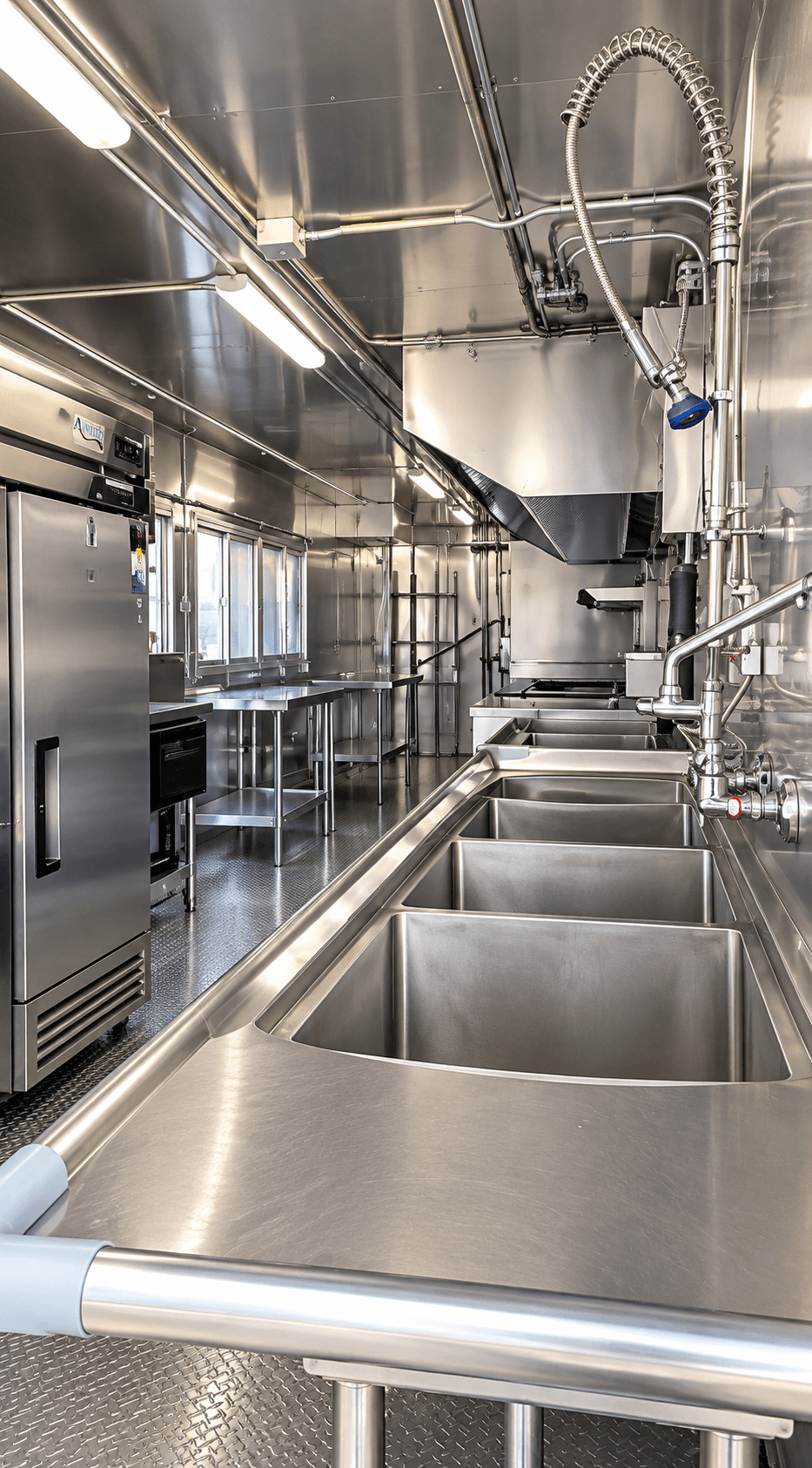
Three important subcategories are kitchen trailers, dishwashing trailers, and refrigeration trailers. Kitchen trailer planning focuses on preparation, cooking, holding, and service flow; dishwashing trailer planning addresses warewashing, sanitation, clean and soiled handling, and drainage; and refrigeration trailer planning covers chilled or frozen storage, access, temperature control, and connections to the wider food-service operation.
These categories can function separately or as a coordinated temporary facility. Before selecting a mobile or modular setup, confirm equipment specifications, utility requirements, delivery and placement conditions, installation scope, operational support, availability, and rental or leasing terms for the actual site.
Eight service categories
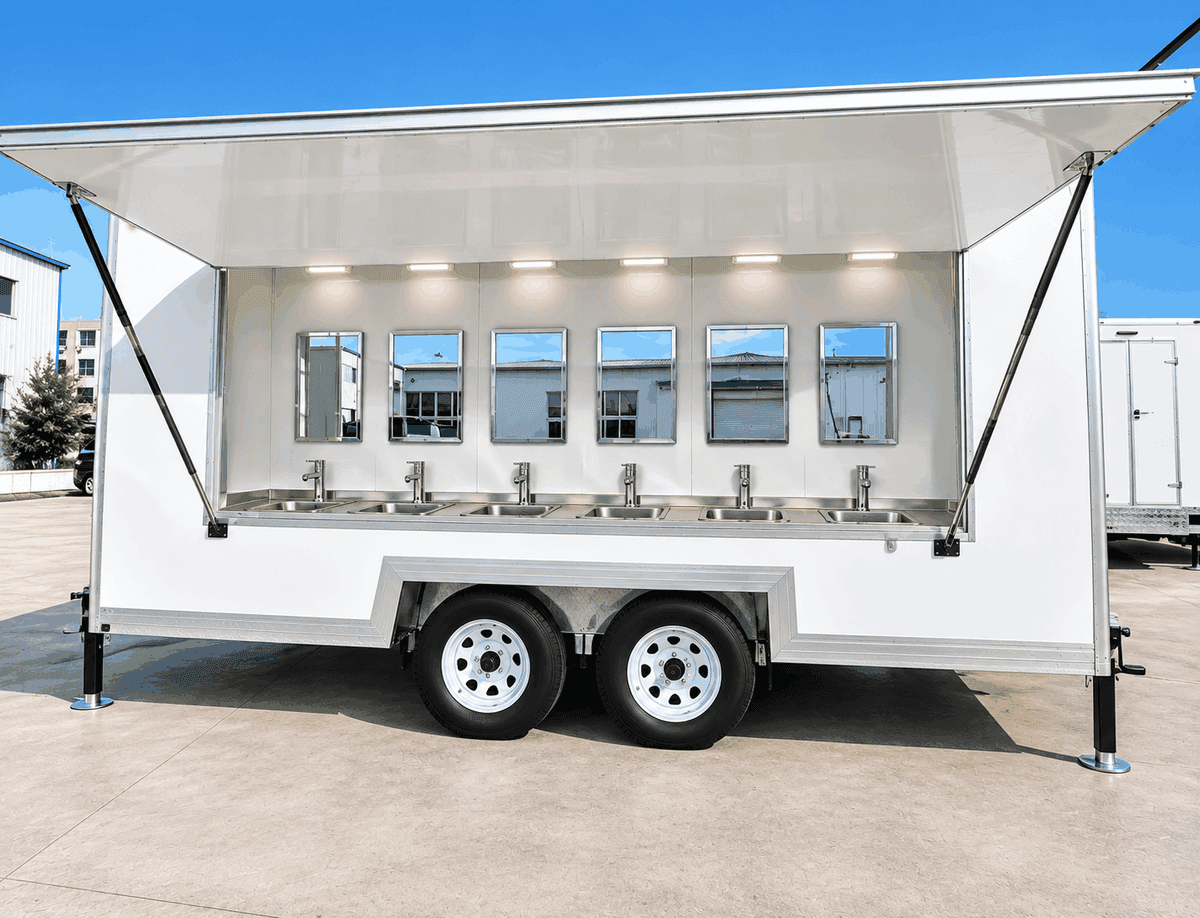
Explore mobile kitchens, warewashing, refrigeration, hygiene, laundry, accommodation, workforce housing, and basecamp support. Each category includes the trailer and equipment types listed in the supplied inventory, with project details subject to confirmation.
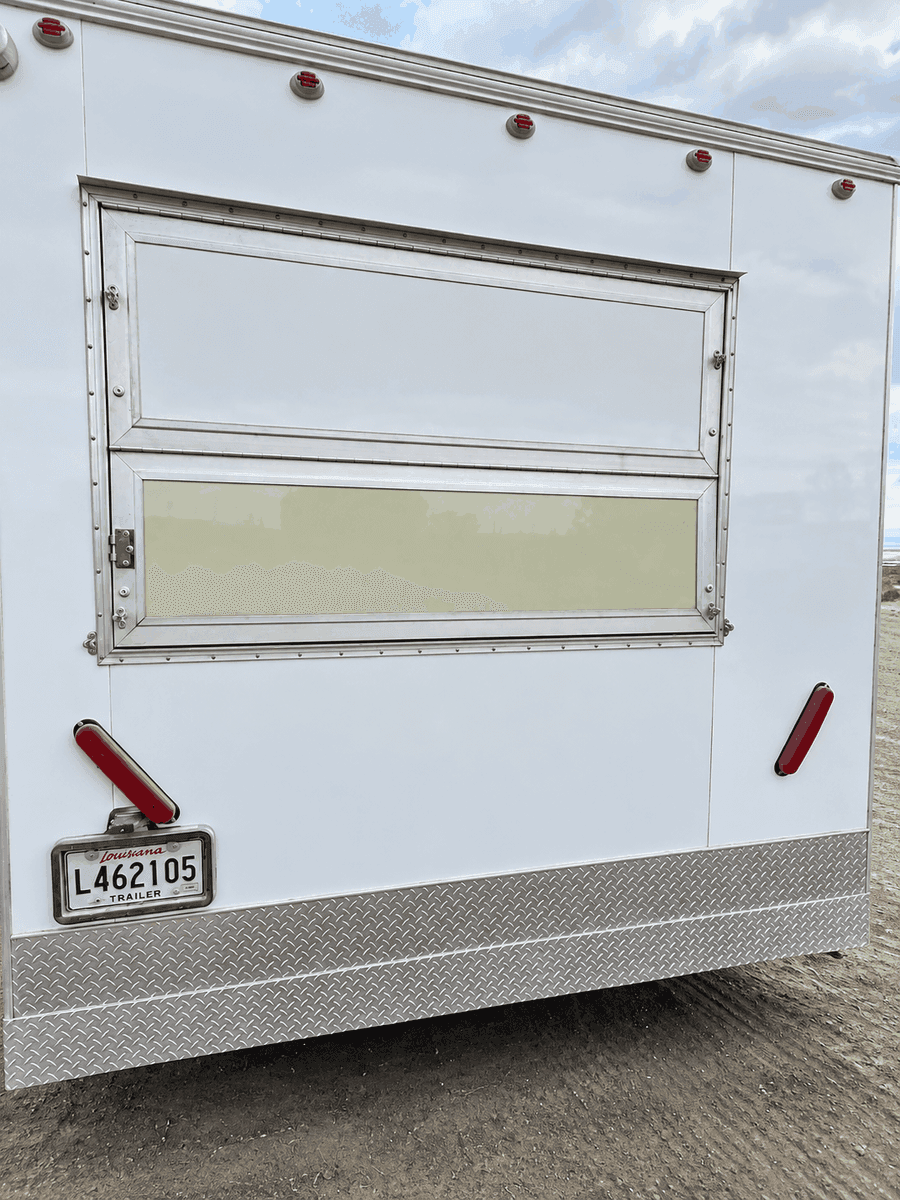
8 listed options
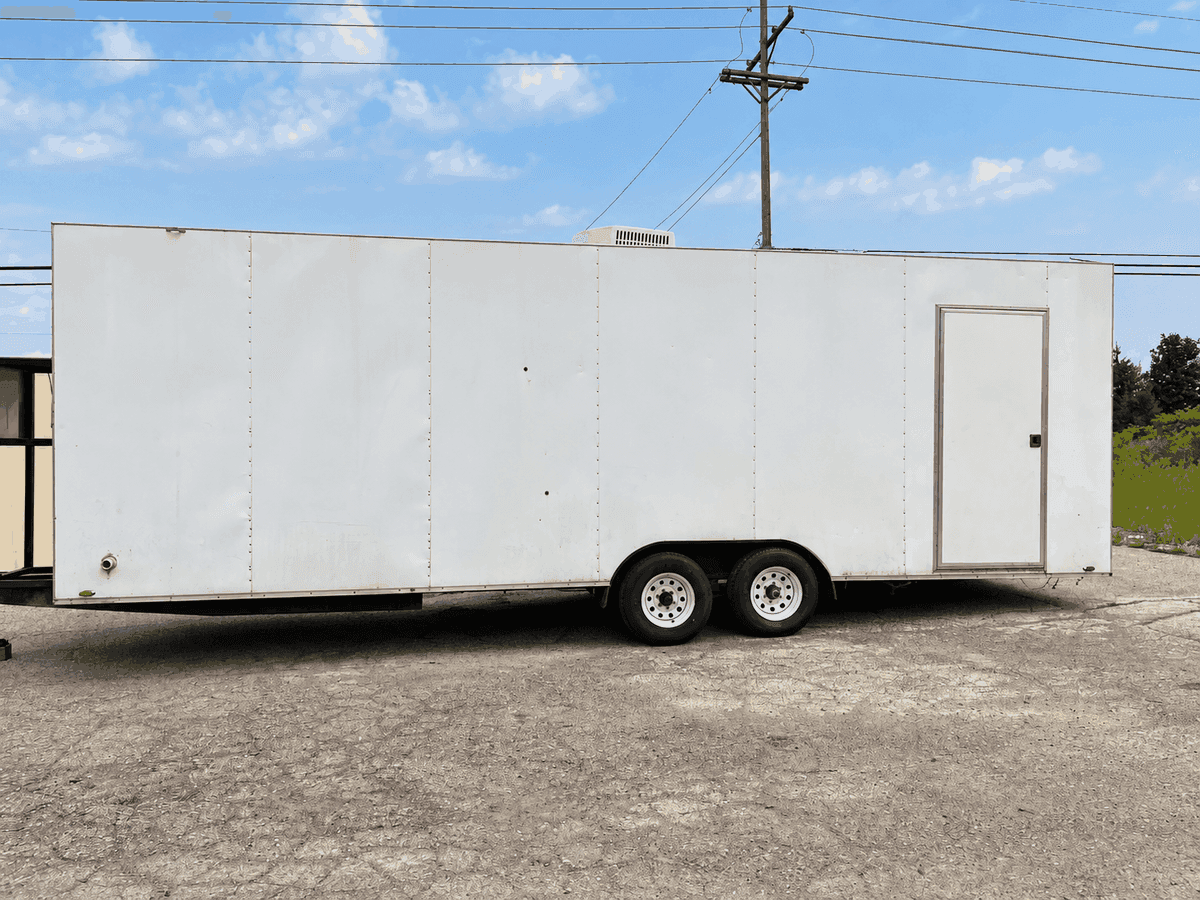
4 listed options
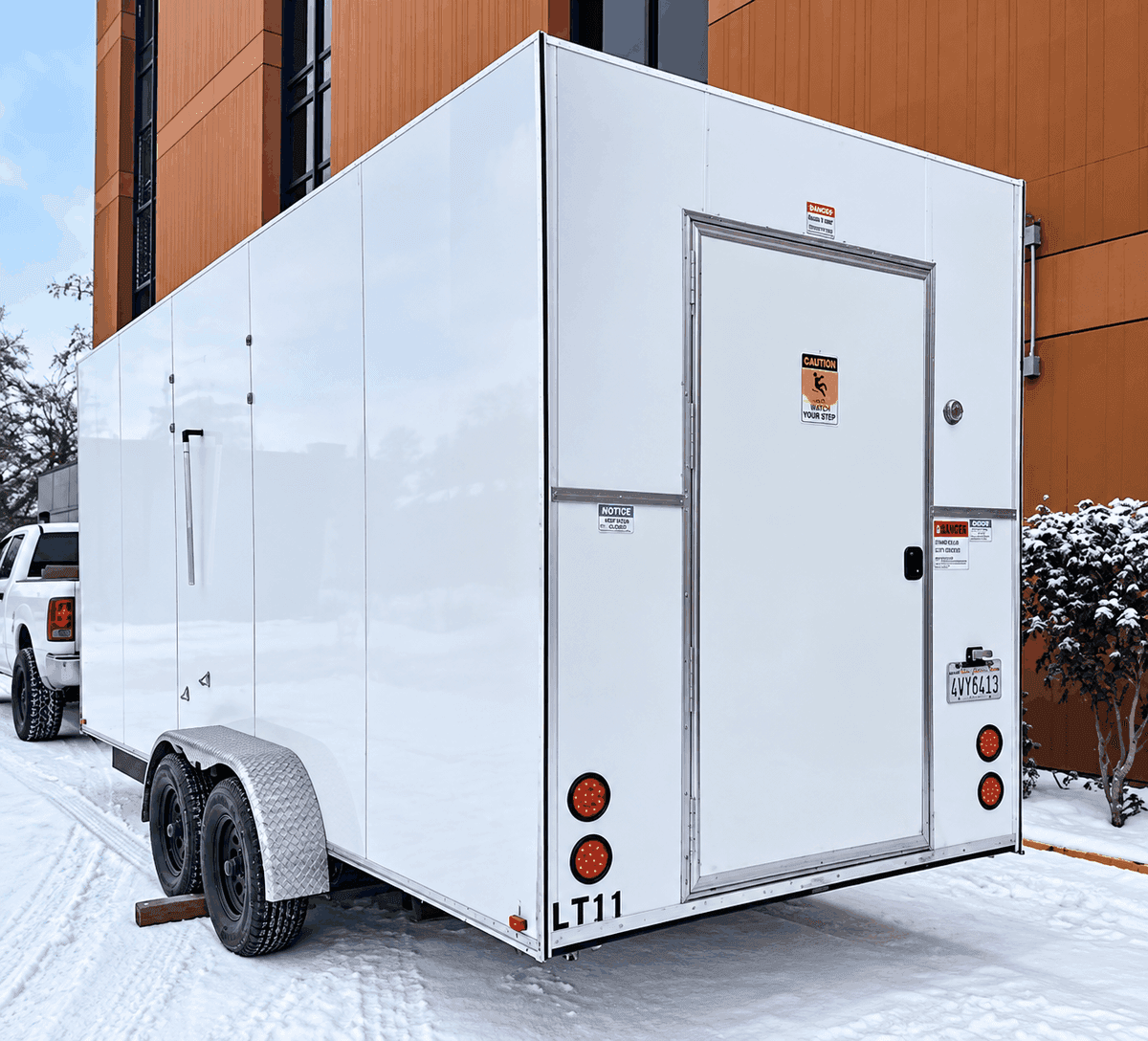
4 listed options
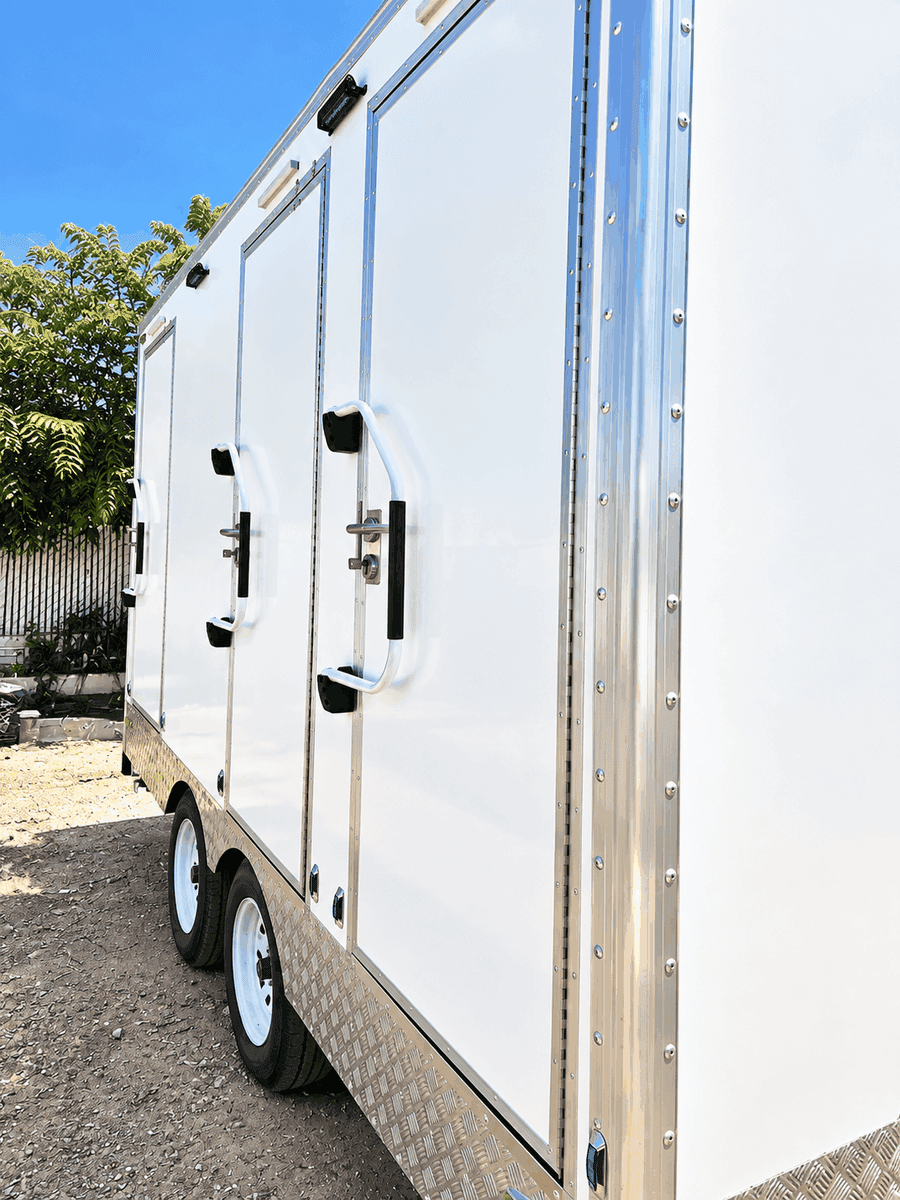
9 listed options
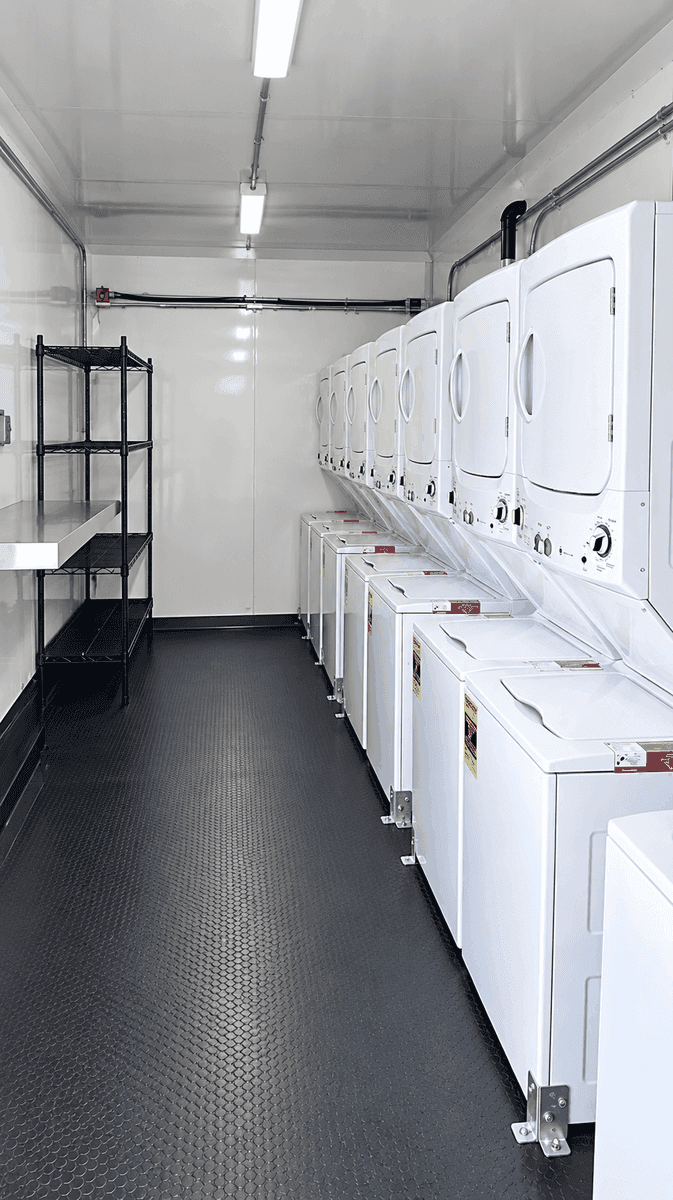
4 listed options
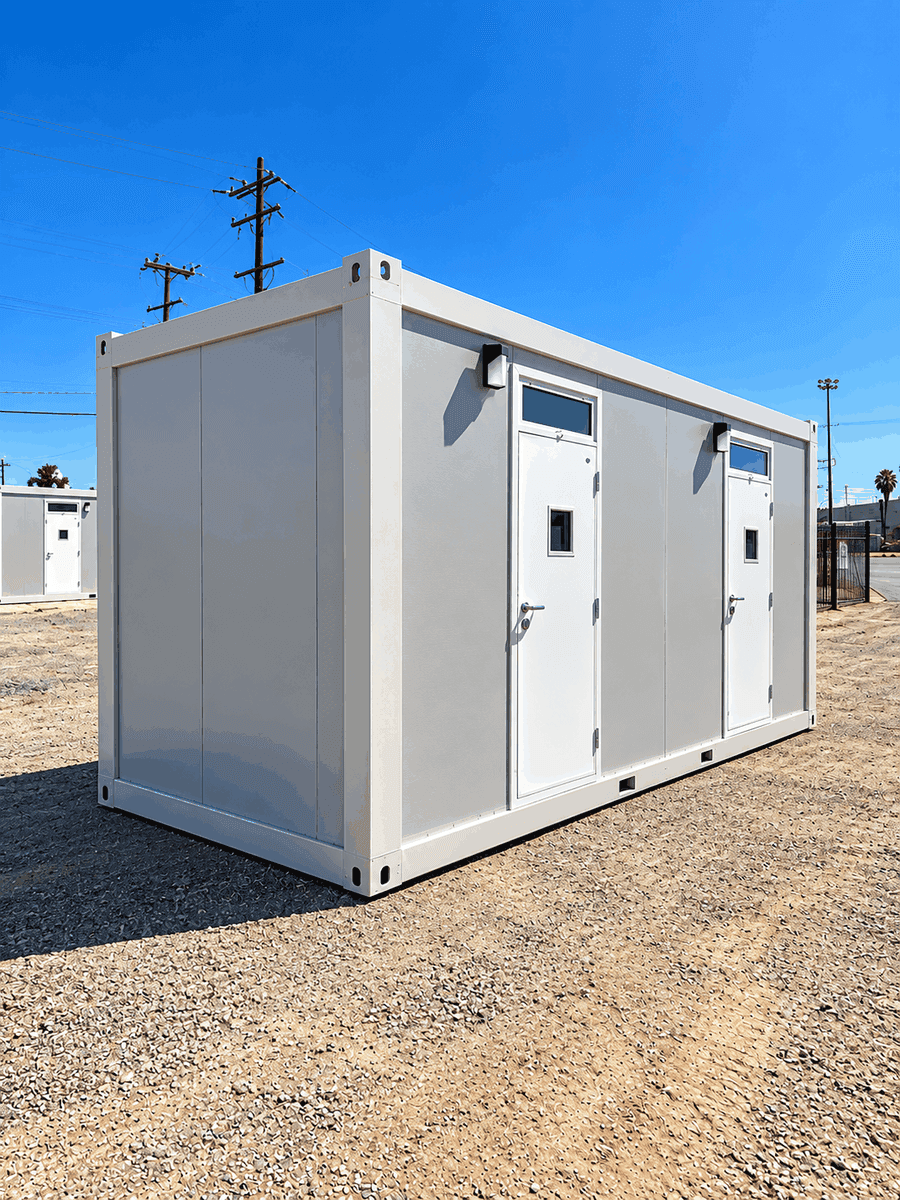
3 listed options
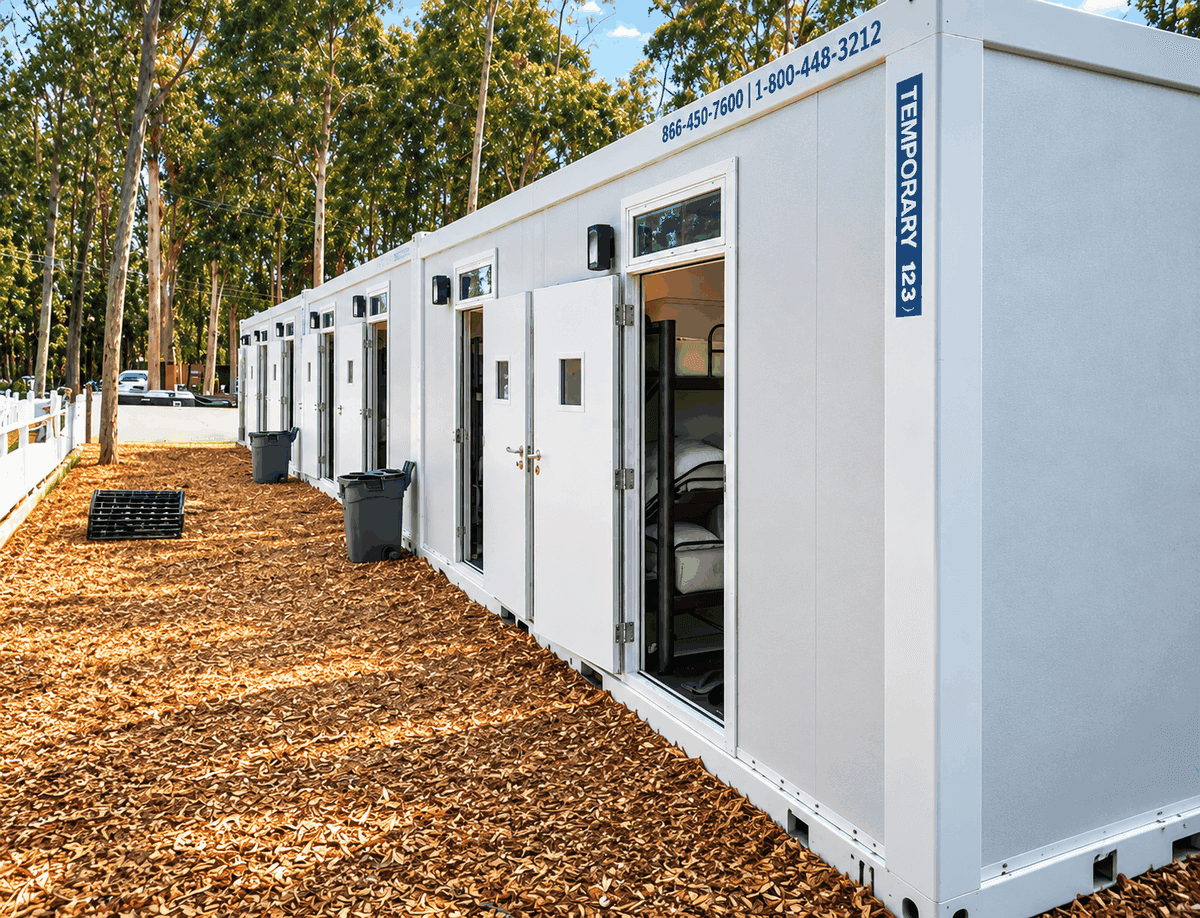
3 listed options
4 listed options
Meal volume, service schedule, storage, warewashing, staffing interfaces, and project dates.
Access, footprint, clearances, utilities, drainage, waste routes, and connection distances.
Equipment configuration, responsibilities, availability, logistics, terms, and price must be confirmed for the project.
Infrastructure, not just equipment
Temporary food-service continuity depends on the relationship between the facility, equipment, utilities, people, supplies, sanitation workflow, and site logistics. The correct starting point is a documented operating requirement—not a generic product list.
Prepare your requirementsPlan the next step